Before my lymphoma diagnosis, I was working as an electrical technician and was an avid gym goer who enjoyed playing football every week. I was young, active and healthy but in December 2023 I developed a small, persistent itch on my leg. It seemed harmless at first, but it marked the start of a journey that would change everything.
Over the next nine months, despite numerous GP and dermatology appointments, countless tests, and trialling various treatments, no one could explain the worsening itch. Sleepless nights became the norm, and the uncertainty was exhausting. By spring 2024, the itch was joined by drenching night sweats, weight loss, and overwhelming fatigue which were all signs that something was seriously wrong. A CT scan in July 2024 finally provided a clue as it revealed that my lymph nodes were enlarged.
After multiple visits to A&E, I was fortunate to meet a determined member of the dermatology department. Her persistence and care proved pivotal. As my symptoms progressed, dermatology specialists warned that this could be lymphoma. Following further investigations, including an inconclusive endoscopy, I was referred for an excisional biopsy of one of my enlarged lymph nodes. In September 2024, the diagnosis was confirmed: stage three high-grade grey zone lymphoma. It is a rare and aggressive form of lymphoma, and my consultant explained that without diagnosis and treatment, I might have had no more than six months to live.
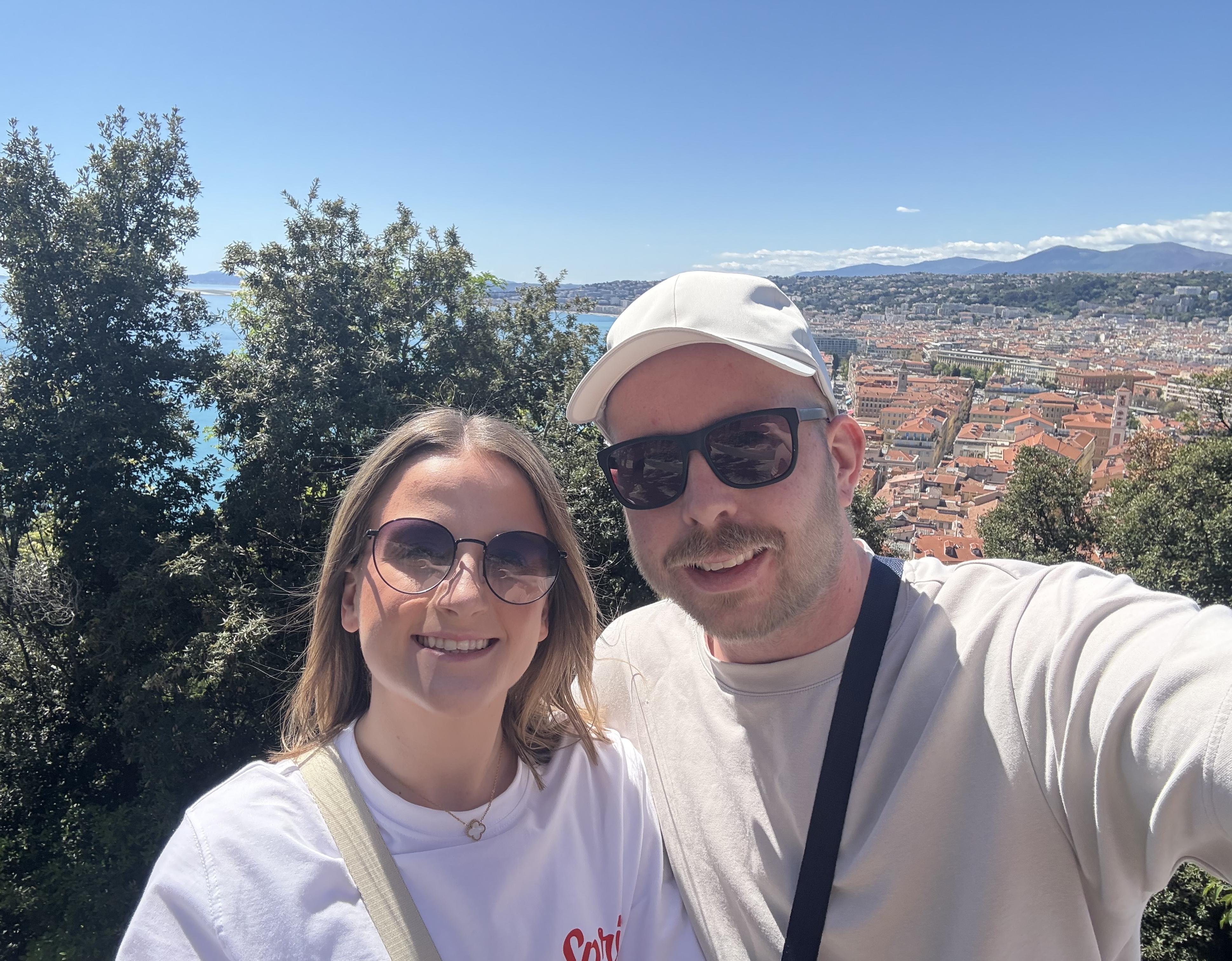
Due to how aggressive my symptoms were, my partner Mia and I had discussed the possibility of lymphoma after researching the symptoms ourselves. We were very drained after spending eight months looking for a diagnosis, so I suppose in a way for us both this diagnosis came as no surprise. As strange as it sounds, we were being told something we already knew deep down for a period of time, so we felt relieved that we finally had a diagnosis and I could get the help I needed. Telling close family and relatives was very hard and upsetting, as I could see how something I was going through was very much affecting them.
In October 2024, I began the first of six rounds of intensive chemotherapy (R-DA-EPOCH). The treatment was testing both physically and mentally: sickness, exhaustion, infections, hair loss, and the constant fear of what lay ahead. We were very lucky to be told that I was in a partial remission from round three which was very positive news to hear. I can’t deny that the treatment was gruelling, but I took each day and round as it came. Mia and I still went out for meals and days out together when I felt up to it and other days I just laid on the sofa. I don’t think there was a right way to cope with the side effects. When I was having a bad day Mia and I just took it as it came, the most important thing was that we had each other.
I finished treatment in March 2025 and was told I was in remission, which was the news Mia, my family and friends and I had all hoped for. I did a phased return to work a month after finishing treatment. As a young couple, the financial strain was tough. Whilst I was on treatment with the numerous hospital trips, time off work, and the cost of everyday life added pressure to an already overwhelming time. There is no real guidance on how to go about it all, but we managed with the help of family. I have always had a very positive outlook on life and believe that is what guided me through my treatment.
As I write this, six months post treatment, I am still navigating how my body feels and I go to the lymphoma clinic every six months for a checkup. Mia and I have got engaged and we are looking forward to our wedding in Cyprus in May 2027.
Mia is taking part in the St Neots Half Marathon in November 2025 to raise funds for Lymphoma Action, along with my sister and her fiancée. They are keen to help other families facing lymphoma, and by sharing my story I hope to raise awareness amongst young people about the signs and symptoms of this type of blood cancer. Too often these symptoms are overlooked or misdiagnosed, so I want to highlight how important it is for people to get themselves checked if they feel something is wrong no matter how big or small.
My itch started small and gradually took over my life. I think it is important that people know that even if you do receive a diagnosis, your odds are still very high due to how advanced the treatments are. But it is just so crucial that you get that diagnosis, so don’t be afraid to push for tests and answers to your concerns.