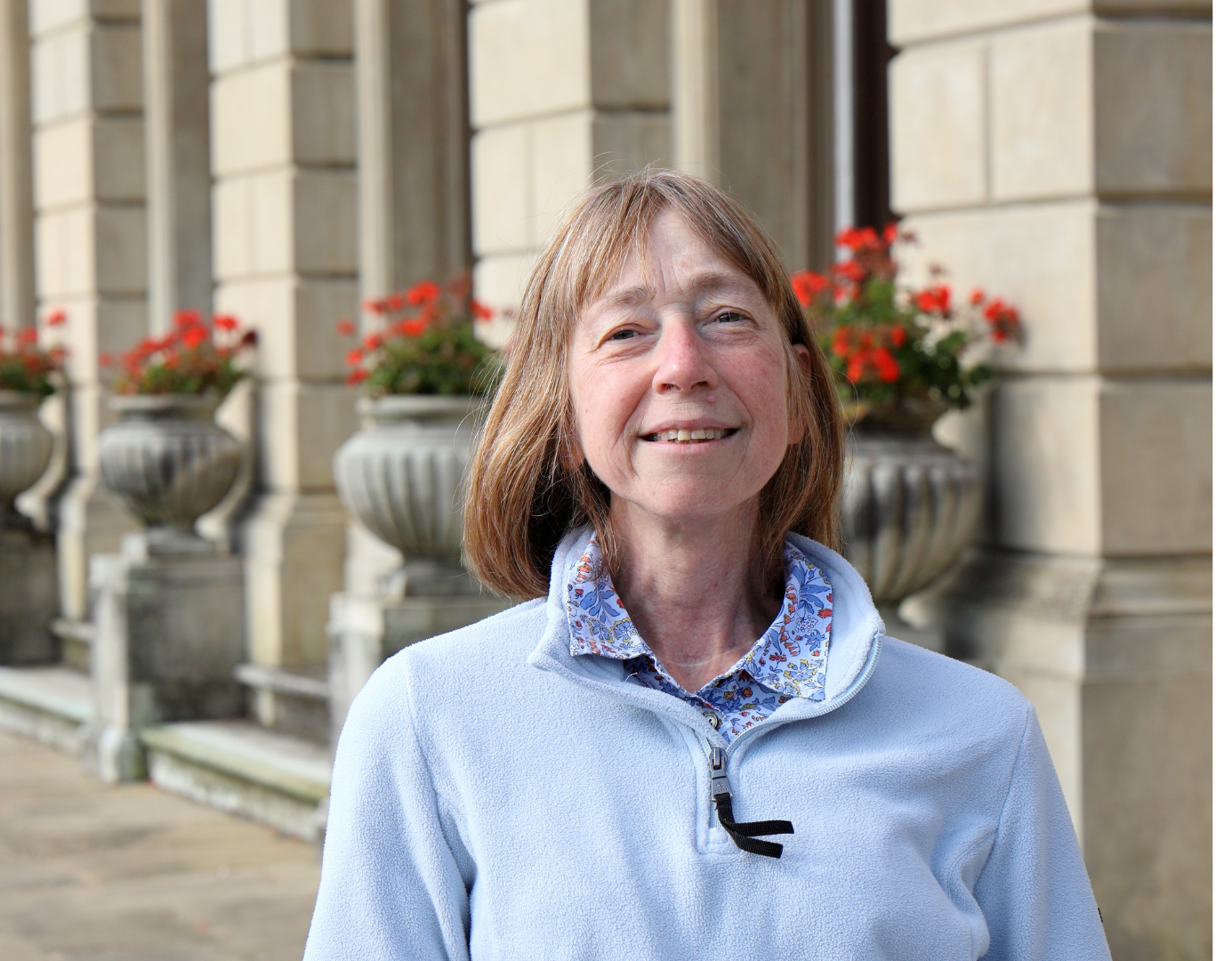
I first received treatment for lymphoma when I was 11 years old, having received a diagnosis of Hodgkin lymphoma. I had been in remission for many years since then, but when I found a lump under my arm at the start of 2017 I was concerned given my previous history. I had also been experiencing night sweats, which I had presumed were associated with the menopause.
I decided to get things checked out by my GP, who referred me to haematology. They initially thought that I had a virus, as the results of my blood tests looked fine so I was told to come back in six weeks. As time went on, I was feeling more unwell with flu like symptoms and the drenching night sweats were becoming more frequent. I went on to have a biopsy, and was finally diagnosed in April 2017 with follicular lymphoma, grade 3A, stage 4B. I remember being told the news on a Monday, and treatment starting the Wednesday of that week. I was working as a community pharmacist at that time, and bringing up our sons who were 12 and 14, so it was a lot to take in. I was told that I would be treated with chemotherapy, so I stopped work due to the risk of infection while undertaking treatment.
I went on to receive six cycles of R-BEND chemotherapy, then a PET/CT scan showed that I was in remission. Overall, the treatment had gone well and I only had minimal side effects. I then went onto a maintenance therapy called Rituximab, but unfortunately this was only for a short while as by November 2018 I had noticed the night sweats had returned, and I found two lumps – one under my right arm and the other in my groin. A further PET-CT scan and biopsy confirmed relapsed follicular lymphoma.
In January 2019, I started six cycles of R-CHOP chemotherapy. This time, I lost my hair very quickly and experienced more side effects – especially in the first week post treatment. I went on to receive an autologous stem cell transplant in the September of that year, but sadly the night sweats returned again within three months of the transplant. I felt very deflated at this point. The transplant itself had left me very weak and drained, so it was difficult to be told that the lymphoma was still present in small amounts around my body after such an intense treatment. At this point, I was put onto active monitoring and I took the opportunity to build up my strength and fitness, with yoga helping me considerably during that time.
In April 2020, my health began to deteriorate quite rapidly. I was short of breath and was struggling to walk due to pains in my legs. Another PET/CT scan revealed the lymphoma had become more widespread, and my consultant suspected that the lymphoma had transformed. This was confirmed by a bone marrow biopsy, which showed that the follicular lymphoma had transformed into stage 4B diffuse large B-cell lymphoma (DLBCL), which was behaving aggressively. Later that week, I was admitted to A&E after blood tests revealed very low levels of calcium. I was transferred to haematology, where I immediately received a high dose of steroids and within a week I started a course of E-SHAP chemotherapy, a sort of ‘salvage’ chemo to help suppress the lymphoma.
It was a particularly difficult time for us as a family. Due to COVID-19 restrictions, my husband would drop me off at the hospital entrance and collect me again at the end of the week after each chemo cycle. All communication with my husband and boys was via FaceTime, and the treatment itself was very harsh and left me feeling very weak. After three cycles of E-SHAP, I was still left with a small amount of lymphoma in my left groin. DLBCL was still present, and as previous treatment lines had failed, I was referred to a specialist hospital to be considered for CAR-T cell therapy.
Initially, the treatment itself was on hold due to the COVID-19 pandemic, so I had two cycles of RBP as a ‘bridging’ chemotherapy treatment. But in November 2020 I attended the specialist hospital where a machine (similar to a dialysis machine) removed the cells that were going to be sent to America to be genetically modified. A few months later, in February 2021 I was admitted back to the hospital and received my new cells.
I had been advised as to the possible side effects of CAR-T cell therapy, which sounded horrific at the time. But, thankfully in the end I experienced minimal side effects and after two weeks in hospital I was moved to NHS accomodation nearby as I still had to have daily blood tests, and there were days where I needed platelets or blood transfusions. Two weeks after leaving hospital, my bloods had settled sufficiently and I was able to go home.
I went on to have further PET/ CT scans at three months and six months post CAR-T cell therapy. I felt very apprehensive during this time, hoping the treatment had been successful. But I am pleased to say that I have now been in remission for over three years. Following CAR-T cell therapy, I became severely immunosuppressed but in August 2023 I started immunoglobin therapy which helps to support my immune system. This has improved my wellbeing and confidence when mixing with others. Prior to this, I was very cautious about going out and socialising. I started having my childhood immunisations all over again to help rebuild my system, and I returned to work in December 2022. I soon realised that I could no longer work the hours I used to, mainly due to fatigue. There is definitely a limit on how much I can do on a day to day basis, which I recognise, so I now work in a pharmacy on a part time basis, two days a week which gives me time to enjoy life and spending time with family and friends. My dog, Marloe, also kept me motivated to keep active and build my strength and fitness, as he needed to be walked everyday. Sadiy he is no longer with us, but I still enjoy yoga and walking to this day.
Throughout my journey, my family and I have turned to Lymphoma Action as an excellent source of information and reassurance. After the stem cell transplant failed, my husband and I went to a Lymphoma Action support meeting where I met others living with lymphoma. It was the first time I didn’t feel alone. Prior to that, in November 2018, we went to a Lymphoma Action conference which was extremely informative. Here, we learnt about CAR-T cell therapy and different types of lymphoma from leading haematologists. Little did we know that these consultants would actually be involved in my future treatment plan!
Throughout my journey, I have been given a lot of information and support from health professionals and resources like Lymphoma Action. This always gave me hope of a future. I remember thinking after the stem cell transplant that ‘this was it’ and I wouldn’t see my sons go to university. Thankfully I did, and the developments in science and medicine have made my remission possible. For that, I will be eternally grateful. I would like to share my story to show how the seemly impossible is actually possible, even through the tough times. The encouragement and support from my family and friends have made it possible and gave me hope.
In looking to the future, I feel there is so much to explore in this country so I am enjoying coastal walks in Pembrokeshire and Cornwall in particular, and have recently been to a few food and music festivals. The next challenge is the Dorset coastline.