The shingles vaccine has previously been available to everyone over the age of 65 as well as anyone over the age of 50 with a severely weakened immune system. However, since this September, the NHS have extended this to include everyone over 18 with a severely weakened immune system. This means that 300,000 additional people are now able to get protected.
People with a severely weakened immune system include:
- people with high-grade lymphomas who are receiving treatment
- people with high-grade lymphomas who are within 12 months of completing treatment
- people under follow up with low-grade lymphomas.
Shingles is caused by the virus varicella zoster, the same virus that causes chickenpox. It causes a painful blistering rash in a band on the skin, usually on the back or abdomen. In most people it resolves in 2 to 4 weeks with no ongoing symptoms. However, some people are left with ongoing pain called post-herpetic neuralgia, eye problems, pneumonia or infection of the brain called encephalitis. These complications are more common in people with a weakened immune system. The vaccine reduces the chance of you developing shingles, and from you becoming seriously ill or developing these complications if you do.
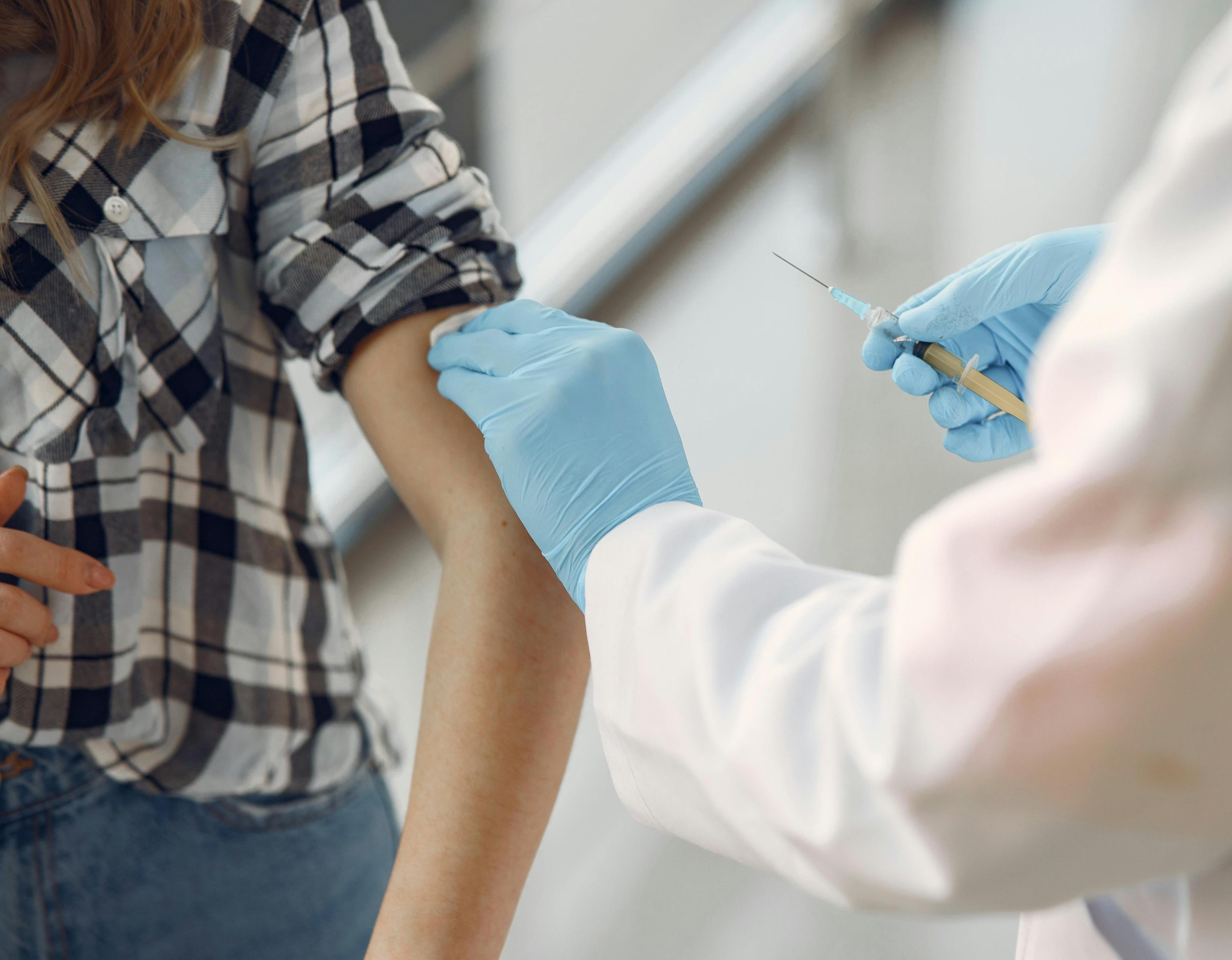
In the UK, the vaccine Shingrix is used for those with a weakened immune system. This is not a live vaccine, meaning it does not contain the shingles virus and cannot cause shingles. The vaccine is given as two injections 8 weeks to 6 months apart. No booster doses are needed.
If you are one of those people who have newly become eligible for the vaccine the NHS will contact you, or you can contact your GP to make an appointment.